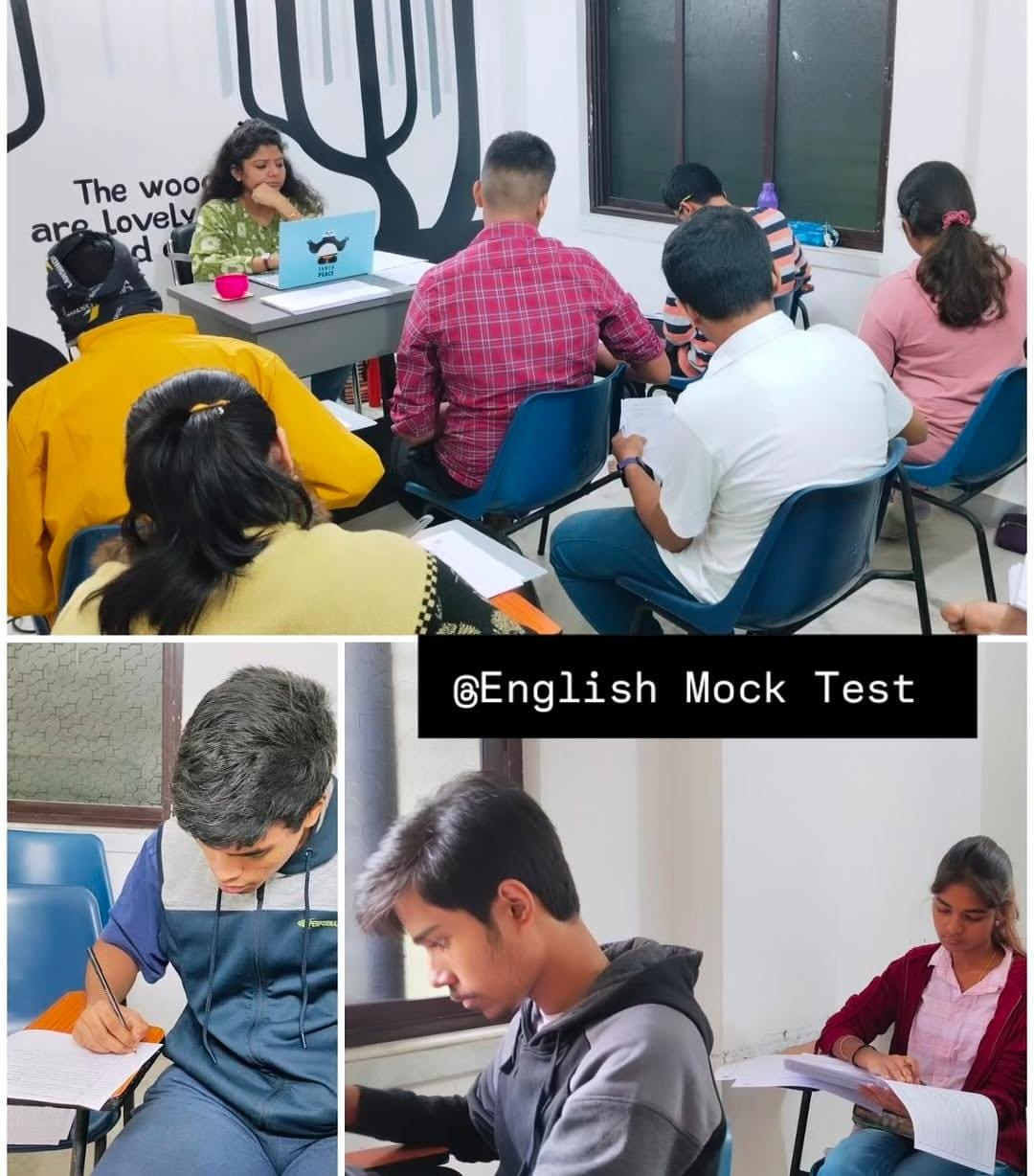
Online vs offline English coaching — which is better for your child?
It’s a question almost every parent asks today. With so many coaching options available — both on a screen and in person — choosing the right format for your child can feel overwhelming. The honest answer is: there is no single “better” option. The right choice depends entirely on your child’s learning style, schedule, and needs. This post breaks it all down so you can decide with confidence.
The case for online English coaching
Online coaching has grown enormously in recent years — and for good reason. Here is what makes it work well for many students.
No travel time or commute
Students can attend class from home, saving time that would otherwise be spent commuting. This is especially valuable for students with packed school schedules or those living far from a coaching centre.
Flexible scheduling
Online classes can be scheduled around school timings, extracurricular activities, and even family routines. Many students find it easier to focus when they are in a familiar, comfortable environment.
Access to recorded sessions and digital materials
Online coaching often comes with the added benefit of recorded sessions, shared notes, and digital resources that students can revisit before exams — something a traditional classroom rarely offers.
Ideal for self-motivated learners
Students who are disciplined and proactive tend to thrive in online settings. If your child is comfortable asking questions over chat or video, online coaching can be just as effective as sitting in a classroom.
The case for offline English coaching
In-person coaching has been the trusted choice for decades — and it still holds powerful advantages for many students.
Stronger personal connection with the teacher
There is something irreplaceable about face-to-face interaction. A teacher can read a student’s body language, sense confusion before it becomes frustration, and build a rapport that keeps students motivated over the long term.
Fewer distractions
At home, a phone notification or a sibling in the next room can break a student’s focus in seconds. A dedicated classroom environment signals to the brain that it’s time to concentrate — and that makes a real difference in learning outcomes.
Better for younger students and reluctant learners
Younger children and students who need extra encouragement often respond better to the structure and warmth of a physical classroom. Being in the same room as a teacher makes it easier to ask questions without feeling shy or awkward.
Immediate feedback on writing and speaking
For English in particular — where pronunciation, expression, and written feedback matter — having a teacher physically present to correct and guide in real time is a significant advantage.
So which should you choose?
Here is a simple way to think about it:
Choose online coaching if your child is self-motivated, has a busy schedule, lives far from a coaching centre, or learns well with digital tools.
Choose offline coaching if your child is younger, easily distracted at home, needs strong personal encouragement, or benefits from hands-on, face-to-face interaction.
And if you are still unsure? The best coaching institutes today offer both — giving you and your child the freedom to choose what works best, or even switch between the two as needs change.
At @ENGLISH, we offer both — and we let your child lead
Shreyasi and Devpriya teach English to school and college students both online and in-person. We work in small batches so every student gets personal attention — whichever format they choose. If you’d like to find the right fit for your child, get in touch with us today.